

Speed vs. Endurance
Endurance races aren’t steady from start to finish. From surges to sprint finishes, speed matters and knowing how to train it alongside endurance can be a performance game changer.

The Real Reason You’re Getting Injured
Running injuries aren’t caused by a single metric—they happen when your body’s stress threshold is exceeded. Learn how training load, recovery, strength, mobility, nutrition, sleep, and mental health all play a role in staying healthy, consistent, and injury-free.

Neuroplasticity Strides
Running isn’t just exercise: it’s brain training. Each stride boosts blood flow, sparks new neural connections, and fuels focus, creativity, and resilience. Over time, consistent runs calm stress circuits, enhance memory, and leave your mind sharper and clearer. Every kilometer is a subtle recalibration for your brain.

The Power of Rest: Why Recovery is Essential for Runners
Rest isn’t laziness, it’s recovery. Proper rest, including sleep, easy days, and total downtime, allows your body to repair, adapt, and get stronger. Protect a slice of your time for rest, recharge intentionally, and watch your performance and endurance improve.

How Long Does It Take to Get Faster as a Runner?
No matter your experience or favorite distance, most runners share one goal: getting faster. With consistent training—a mix of easy runs, long runs, and speedwork—you can start seeing pace improvements in 6–12 weeks. Track your progress by monitoring pace, heart rate, perceived effort, and recovery. Over time, even small gains add up, helping you run more efficiently and reach your goals.

Neuroplastic strides: how running resets your mind
Running isn’t just physical; it rewires your brain. Learn how regular runs boost neuroplasticity, improve focus, enhance memory, and build mental resilience, helping you think clearly and perform better both on and off the trail.

Where real endurance begins.
The long run isn’t about speed; it’s about building endurance, mental strength, and patience. As the longest session of your week, it teaches your body to go further and your mind to stay focused. Whether you’re training for a race or simply evolving as a runner, the long run is where real progress begins.

Biomechanics of Speed
Speed in running depends on your body’s ability to resist collapse and quickly redirect force , a quality known as stiffness.
This stiffness comes from strong eccentric and reactive strength in the ankle, knee, and hip. Through targeted eccentric and plyometric training, you can absorb and release energy more efficiently, shorten ground contact time, and ultimately run faster.

Fuel the Run: Nutrition Tip for Your Next Marathon Build
Fuel your marathon training by matching your nutrition to your mileage.
Eat easy-to-digest carbs before runs and refuel with carbs and protein after.
Consistent, intentional fueling helps you recover faster and perform stronger.

Long Run: Training the body & the mind
Long runs do more than build endurance, they strengthen both your body and your mind. Physically, they improve your aerobic system, running economy, and resilience. Mentally, they train focus, discipline, and confidence. Together, these benefits make long runs the cornerstone of any successful training plan.

Heat Training: Why does heat slow your pace?
Hot weather raises heart rate and fatigue, making running feel harder; but heat adaptation can boost performance over time.

Building Speed: Unlocking Leg Turnover Potential
Targeted speed work and strength training improve leg turnover, efficiency, and race-day performance.

Optimizing Recovery Runs: The Fifth Pillar of Smarter Training
Recovery runs boost adaptation, enhance circulation, and prepare your body for harder training sessions.

Isometrics
Isometric holds build strength, improve muscle control, and support recovery through targeted, static positions.

Overtraining vs Undercover
Avoid performance decline by understanding under recovery and balancing training stress with proper rest.

Endurance for performance
Build a strong endurance base with aerobic and recovery runs to boost performance and race readiness.
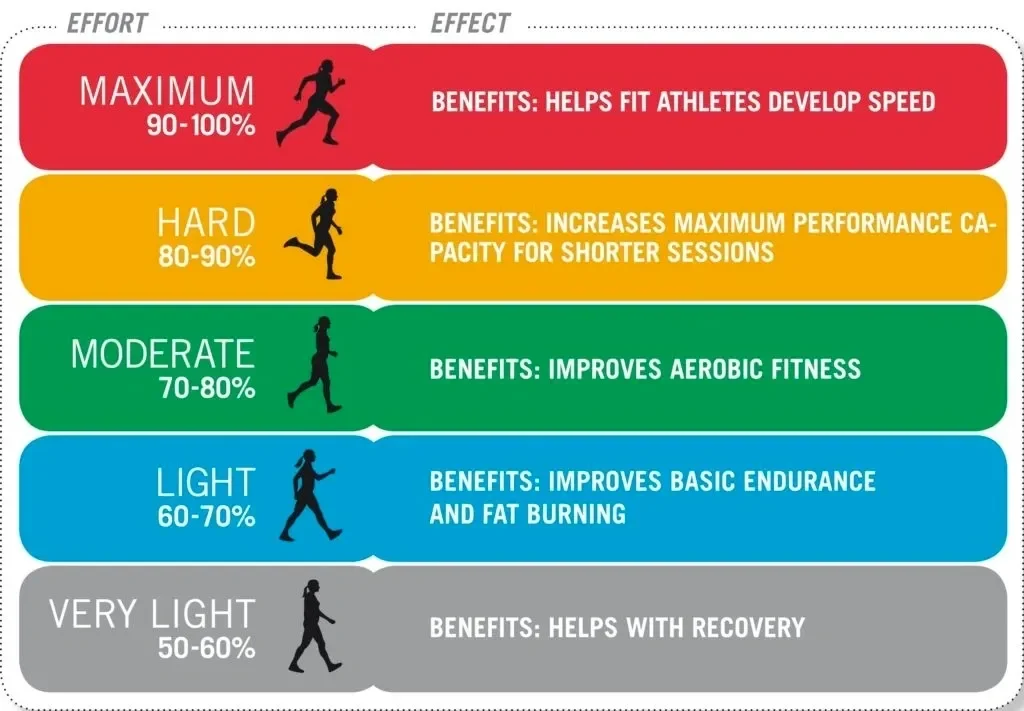
Running Zones Explained
Master your runs by training in the right zones, from easy recovery to VO2 max, to build endurance, speed, and performance.

How different paces should feel
Learn how easy, tempo, and speed runs should feel to train smarter, boost endurance, and improve performance without risking burnout.

Plyometric Power for Speed: Activating Elastic Potential
Plyometric training boosts speed by improving the stretch-shortening cycle, enhancing explosive power, leg stiffness, and tendon resilience.